Idlewild
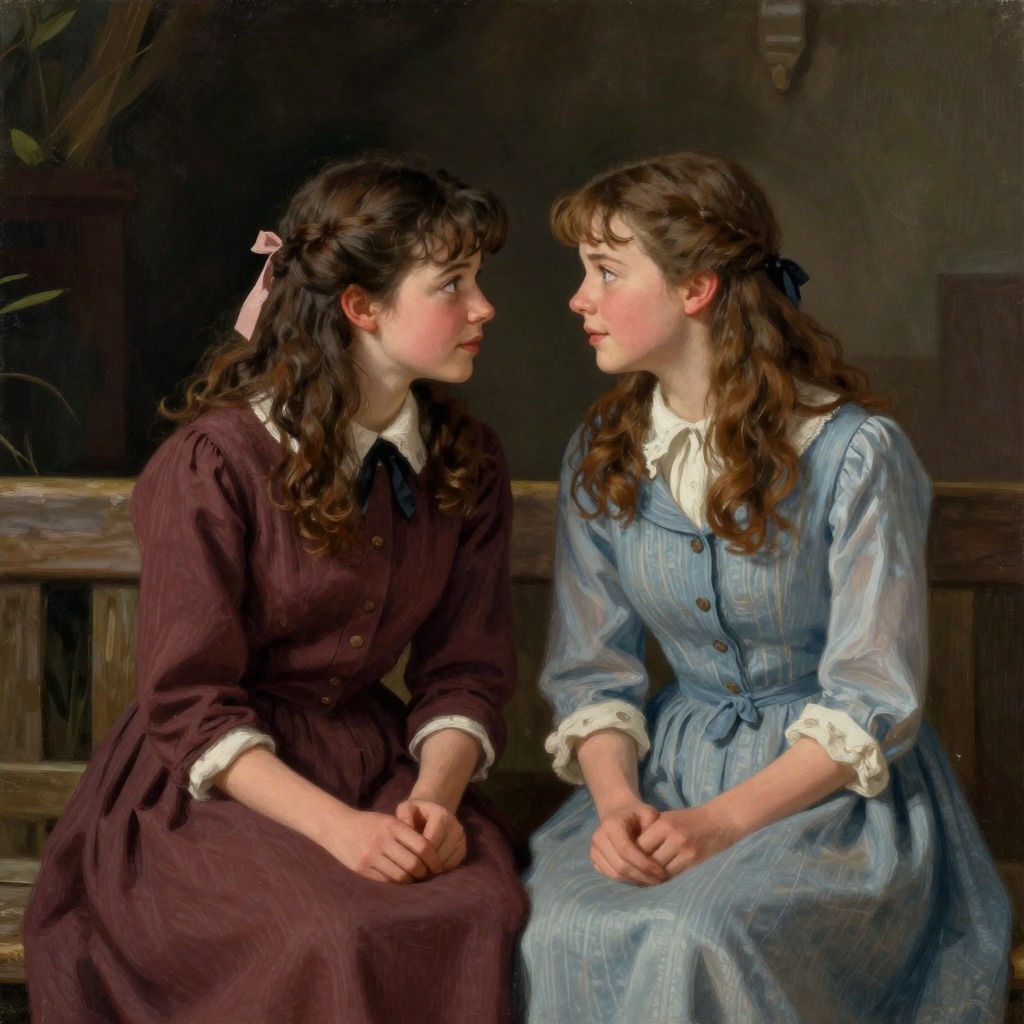
Idlewild is a small ring of white birch trees in a corner of Mr. William Bell's field, across the brook between the Cuthbert and Barry farms, which Anne Shirley and Diana Barry transform into their secret playhouse during the summer after Anne's arrival at Green Gables. It becomes the central stage for their imaginative games, the site of their shared domestic fantasies, and a symbol of the intense, creative friendship that defines Anne's early years in Avonlea. Its eventual destruction by Mr. Bell's logging marks the end of childhood play and the girls' transition to more grown-up pursuits.
Discovery and Naming
The spot was a little ring of white birch trees in the corner of Mr. William Bell's field, a piece of land that ran up between the Cuthbert and Barry farms, across the brook from Green Gables. Anne discovered it soon after she came to live at Green Gables, and she and Diana Barry immediately claimed it as their own. Anne named it Idlewild, a name she invented after staying awake nearly a whole night thinking of it; the inspiration came to her just as she was dropping off to sleep. Diana was enraptured when she heard it. The name captured the place's essence—a wild, idle retreat dedicated to nothing but play and imagination.
The Playhouse and Its Treasures
Anne and Diana furnished their playhouse with great care and ceremony. They used great big stones, all covered with moss, for seats, and laid boards from tree to tree for shelves, where they displayed their collection of dishes. All the dishes were broken, but Anne found it the easiest thing in the world to imagine they were whole. A piece of a plate with a spray of red and yellow ivy on it was especially beautiful; they kept it in the parlor. Their most prized possession was the fairy glass, a fragment of a hanging lamp that Diana found out in the woods behind the Barry chicken house. It was full of rainbows—"just little young rainbows that haven't grown big yet," as Anne described them. They liked to imagine that the fairies had lost it one night when they had a ball, so they called it the fairy glass. Matthew Cuthbert promised to make them a table. The playhouse was a complete domestic world, a space where the girls could act out their fantasies of home and family.
A Place of Escape and Shared Imagination
Idlewild was more than just a playhouse; it was a sanctuary for Anne's imagination and the crucible of her friendship with Diana. Anne told Marilla that she and Diana had "such elegant times" there, and that she had to furnish most of the imagination, but was well able to do so. She found Diana "simply perfect in every other way." The place was so fascinating that Anne once lost track of time while playing there, failing to come in when Marilla called her, because she had to tell Matthew about the picnic and because "you have no idea how fascinating Idlewild is." It was a space where Anne's imaginative life could flourish without restraint, and where her bond with Diana deepened through shared creative play. They even brought their lunch there, eating a piece of the cake Anne had made, in the midst of their imaginary kingdom.
The End of Idlewild
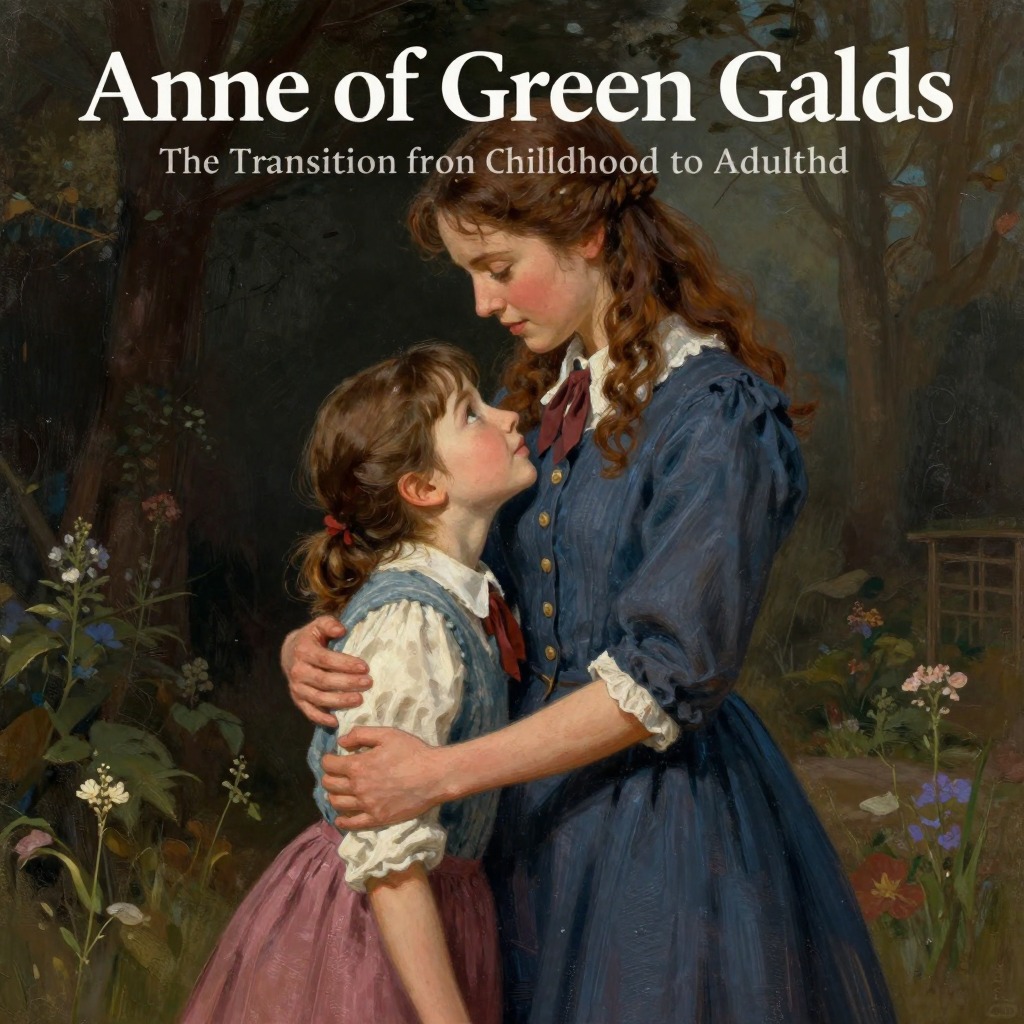
Idlewild's existence was finite. In the spring of the following year, Mr. Bell ruthlessly cut down the little circle of trees in his back pasture. Anne sat among the stumps and wept, not without an eye to the romance of the situation. But she was speedily consoled, for, as she and Diana said, big girls of thirteen, going on fourteen, were too old for such childish amusements as playhouses. There were more fascinating sports to be found about the pond. The destruction of Idlewild marked a clear boundary between childhood and adolescence, a loss that Anne acknowledged with tears but also with a growing sense of maturity. The place had served its purpose: it had been the physical embodiment of a friendship and an imagination that would continue to thrive, even after its birch-tree walls had fallen.